



Ebola virus outbreak in DRC
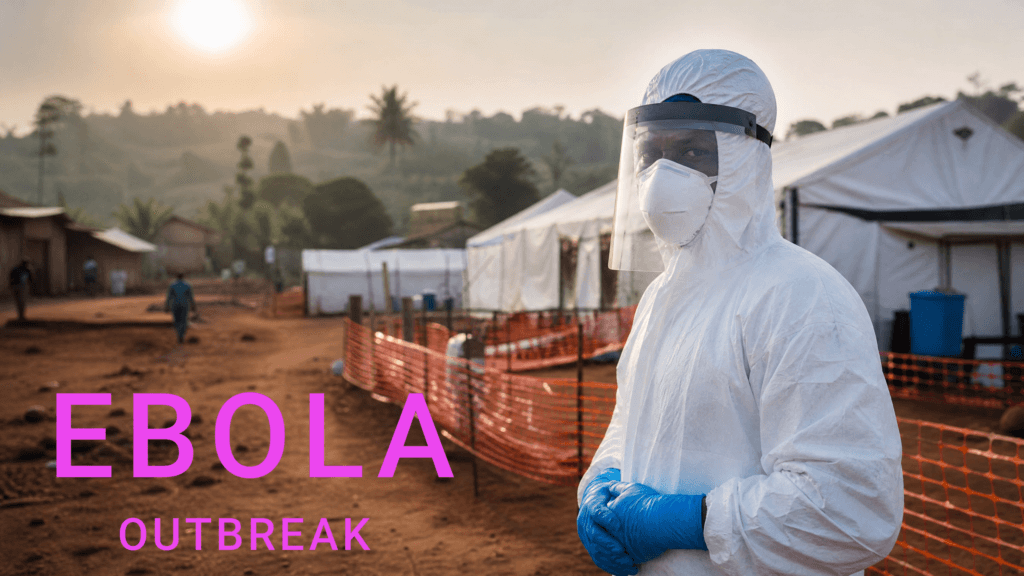
The Bundibugyo virus disease outbreak is intensifying in the Democratic Republic of Congo, with sustained transmission and an increase in the number of cases.
WHO ( World Health Organization) Africa has declared a public health emergency.
The Democratic Republic of Congo is currently facing the 17th Ebola virus outbreak since the virus was first identified in 1976.
Bundibugyo virus is responsible for this Ebola disease outbreak in the north -eastern Ituri province.
The WHO Director-General has determined that the outbreak, which was declared on 17 May 2026, constitutes a public health emergency of international concern.
The outbreak can be attributed to highly mobile populations, including cross-border and trade flows such as mining, as well as the presence of large refugee communities.
Largest Ebola virus outbreak in DRC-
With 49 health zones affected over the last two months, this outbreak is now the largest Ebola outbreak ever reported in the democratic republic of the Congo.
Initially confined to the Mongbwalu health zone of the Ituri province, over the last two months, the outbreak has expanded to five provinces: Ituri, North Kivu, South Kivu, Haut-Uele and Tshopo.
Total Ebola virus cases-
As of 26 August 2026
| Total confirmed cases | 5815 (cumulatively) |
| Deaths | 2788 (cumulatively) |
Infection among health workers
As of 30 July 2026,
| Confirmed cases among health workers | 151 |
| Death | 44 |
| Recoveries | 68 |
These numbers present the picture of ongoing occupational exposure risk that health workers are facing to keep the ongoing outbreak under control.
On 27 August, vaccination of health care workers using the Ervebo vaccine was initiated in the Democratic Republic of the Congo in some areas, including in Kisangani, Tshopo province.
Although Ervebo is a safe vaccine and effective against Ebola virus disease, it is not known whether it provides protection against the Bundibugyo virus in humans.
Bundibugyo virus disease (BVD)-
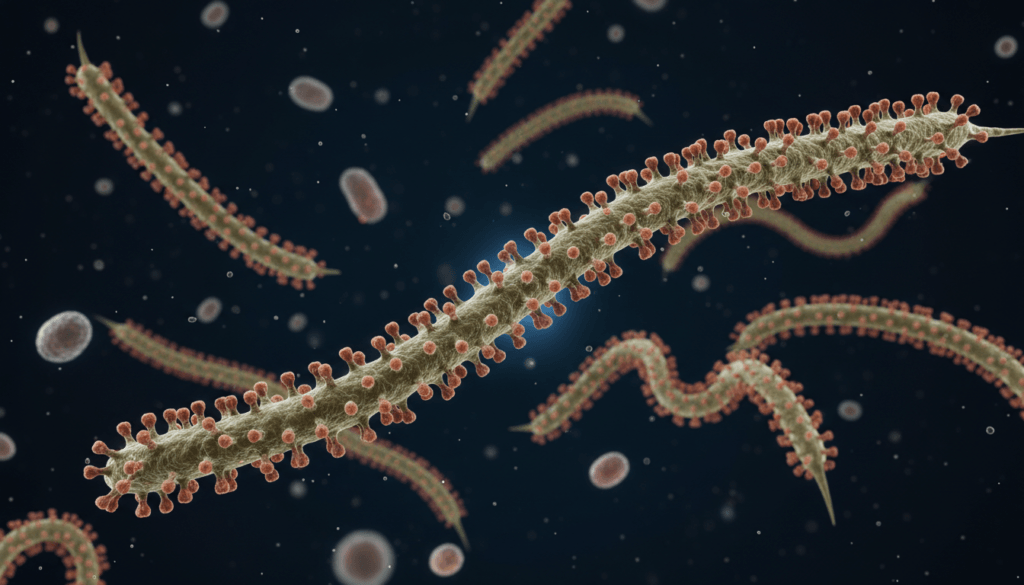
Bundibugyo virus
Bundibugyo virus disease (BVD) is a severe Ebola disease caused by the Bundibugyo virus, which belongs to the Orthoebolavirus species.
It is a zoonotic disease, which means it is an infectious disease that spreads between animals and humans.
Fruit bats are suspected to be the natural reservoir.
How can humans get infected?
Human infection can occur through-
- Close contact with the blood or secretions of the infected wildlife, such as bats.
- Subsequent spread from person to person through direct contact with the blood, secretions, organs, or other bodily fluids of infected individuals or contaminated surfaces and materials.
- Transmission can be amplified in health-care settings when infection prevention and control measures are inadequate.
- During unsafe burial practices involving direct contact with the deceased individuals.
- You cannot get Ebola from being near someone. It does not spread the same way as respiratory viruses like flu or COVID-19
Incubation period Ebola virus (BVD)-
The incubation period of BVD ranges from 2 to 21 days.
An infected person can only spread the infection when they have symptoms and not before that.
Symptoms of Ebola virus (BVD)-
Symptoms can be divided into “dry” and “wet” symptoms.
“Dry symptoms” are those that appear early in the disease, and these include-
- Fever
- Aches and pain in the muscles and joints.
- Severe headache
- Sore throat
- Loss of appetite.
As the patient gets sicker, the “wet symptoms” appear, such as
- Nausea
- Abdominal pain
- Diarrhea
- Vomiting
- Unexplained bleeding.
Other symptoms may include :
Chest pain, shortness of breath, confusion, red eyes, skin rash, hiccups, and seizures.
Management of Ebola virus (BVD)-
Investigations
Healthcare providers order
- Polymerase chain reaction (PCR) blood testing.
- Blood test for orthoebolavirus antibodies to see if the patient recently had Ebola disease.
Someone being tested for Ebola disease should be separated from other people in a healthcare facility until results are confirmed.
Prevention methods-
1. Avoid contact with body fluids-
Avoid contact with body fluids including:
Blood, urine, feces, saliva, sweat, vomit, breast milk, amniotic fluid, semen, and vaginal fluid from people who are sick.
Semen from someone who has recovered from Ebola disease until testing shows that the virus is no longer in the semen.
2. Also avoid contact with:
Clothes, bedding, needles, medical equipment, or other items that may have touched an infected person’s blood or body fluids.
The body of someone who is suspected or confirmed to have had Ebola disease ( for instance, as part of a funeral or burial practices).
Bats, forest antelopes, primates, and blood, fluids, or raw meat from these or unknown animals.
3. Wear personal protective equipment-
Wear personal protective equipment if you come in contact with people who are sick or have died from Ebola disease, their blood and body fluids, or objects covered with their blood or body fluids.
4. Monitor your health-
If you return from an area with an ongoing Ebola outbreak, monitor your health for 21 days.
Seek medical care immediately if you develop symptoms of Ebola disease.
VACCINES-
Ebola disease is caused by a group of viruses, known as orthoebolaviruses.
There are four species known to cause disease in humans:
- Ebola virus causing Ebola virus disease (EVD).
- Sudan virus, causing Sudan virus disease (SVD)
- Tai Forest virus (causes Tai Forest virus disease)
- Bundibugyo virus, causing Bundibugyo virus disease (BVD)
Currently, there is one licensed and WHO prequalified vaccine available only for EVD.
Ervebo vaccine is administered in one dose and is recommended for use in EVD outbreak settings