
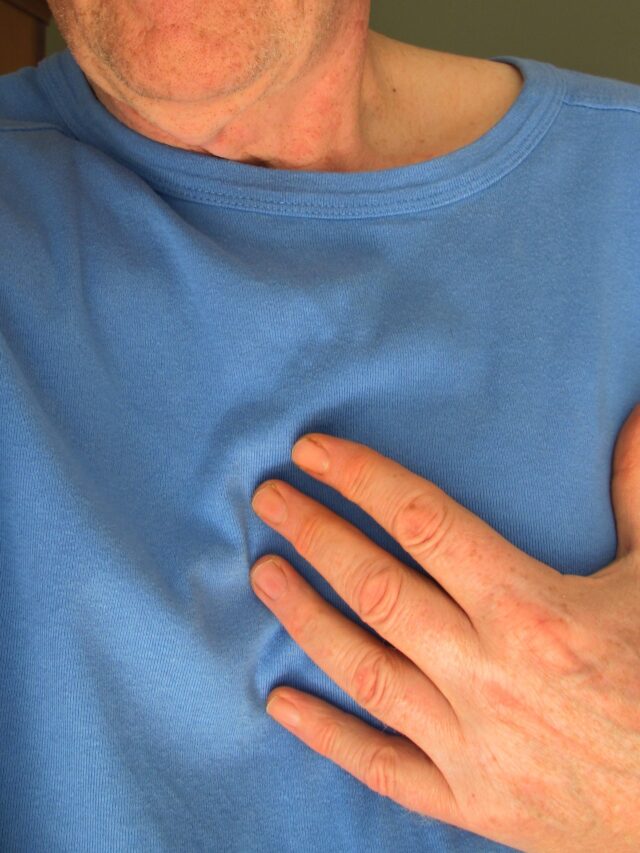




Hypertension at a young age and now worried about what your next step should be? Some important points to know about how to approach your high blood pressure.
- Avoid panicking, as panic and stress can further increase your hypertension.
- Consult your doctor and get properly checked to find the cause of your high blood pressure.
- Take medicine as prescribed by the doctor and never increase or decrease the dose of medicine on your own.
- Watch for important signs and symptoms like swelling in the feet, difficulty breathing, headache, chest pain, dizziness, blurred vision, and reduced urine output. Tell your doctor if you get any of these symptoms to avoid any complications.
- Reduce salt intake.
- Avoid alcohol and smoking
- Reduce weight to maintain a normal BMI.
- Regular exercise.
- Do not take any medical advice from unqualified people, as it can harm your health.
- No miracle medicine is available to cure hypertension permanently, so follow only your doctor’s advice.
HYPERTENSION
Hypertension is affecting more and more people worldwide. Young people are also getting affected.
High blood pressure affects many organs of the body, which can lead to some serious health-related complications.
WORLD HYPERTENSION DAY – 17th May.
We always see the blood pressure value written on the doctor’s note in the format of 120/80 mm Hg or some other value, depending on the patient’s blood pressure, in the same format of (X/Y mm Hg).
Now we should understand what these two values are.
Blood pressure has two parts:-
1) SYSTOLIC BLOOD PRESSURE: It is the pressure in the brachial artery or any other major artery when the heart is in systole, which means the heart is in the contraction phase to pump out the oxygenated blood into the systemic circulation.
2) DIASTOLIC BLOOD PRESSURE: It is the pressure in the brachial artery or any other major artery when the heart is in diastole, which means when the heart is getting filled with deoxygenated blood brought from the systemic circulation.
So,
120 mm Hg ->is the systolic blood pressure
80 mm Hg -> is the diastolic blood pressure
Hypertension definition-
It is defined as an increase in blood pressure above the normal range, even after three consecutive measurements each taken a few minutes apart.
Generally, systolic pressure equal to or above 140 mm Hg and diastolic pressure equal to or above 90 mm Hg is considered an increase in blood pressure.

ISOLATED SYSTOLIC HYPERTENSION (ISH) –
When only systolic blood pressure is increased, diastolic pressure is normal. It happens mostly due to the deposition of fat and stiffening of the major arteries. It should be treated adequately to prevent cardiovascular problems.
ISOLATED DIASTOLIC HYPERTENSION –
When systolic blood pressure is normal and diastolic is increased.
WHITECOAT HYPERTENSION-
When the person who on average, has normal blood pressure at home but has high blood pressure in the medical setting, which can be due to anxiety about being in a clinic or hospital.
TYPES OF SYSTEMIC HYPERTENSION-
1) ESSENTIAL OR PRIMARY HYPERTENSION:
When the blood pressure is high without any known underlying disease. This is the most common type of hypertension seen and occurs mostly because of the combination of genetic factors and environmental risk factors.
2) SECONDARY HYPERTENSION:
When a person’s blood pressure is above the normal value because of underlying causes like renal, endocrine, and cardiac diseases, and in some cases, pregnancy can cause hypertension too.
Causes of Hypertension-
RISK FACTORS FOR HYPERTENSION:
a) AGE: Generally, people in the age group of 50 years and above are at increased risk of developing hypertension because, with increased age, there are more chances of developing atherosclerosis, which can lead to cardiovascular problems such as hypertension. Also, with increased age, the vascular system gets more rigid, so it also promotes the development of hypertension. With an increase in age, the glomerular filtration rate of the kidney decreases, which leads to a decrease in sodium excretion and hence leads to an increase in blood pressure. But young people are at risk of hypertension too, which can be due to genetic and environmental factors.
b) GENETICS: Many studies have shown that genes also play a major role, along with environmental factors, in the development of high blood pressure. Children with a family history of hypertension are at increased risk of developing high blood pressure.
c) OBESITY: increased body fat causes increased deposition of cholesterol in the blood vessels; hence, atherosclerosis develops, which can lead to extra work by the heart to make blood flow through these areas and leads to cardiovascular problems like hypertension. Also, the increased body mass leads to increased blood volume, which in turn can lead to extra work by the heart to pump the extra blood, and this increases the blood pressure.
d) STRESS: it is mostly associated with cardiovascular problems and is believed to play an important role in an increase in blood pressure.
e) HIGH SALT INTAKE: when the sodium intake of a person is high, then the water retention capacity of the body increases as sodium has the property of attracting water towards itself, and this increases blood volume. The local autoregulatory mechanism of the body decreases the vascular resistance to maintain the pressure, but continuous intake of increased sodium in the form of salt leads to stimulation of Antidiuretic hormone (ADH), and this increases more reabsorption of water, which in turn increases blood volume and hence pressure.
If sodium concentration is increased in the cell, then it leads to an increase in the concentration of calcium in the cells too, and this calcium ion increases the vascular tone, and it leads to an increase in hypertension.
f) ALCOHOL AND SMOKING: Both of these have many negative impacts on the heart and can lead to hypertension.
g) DIABETES: diabetic patients are at increased risk of developing cardiovascular conditions, including hypertension.
h) SEDENTARY LIFESTYLE: if a person is physically less active, then body weight will slowly increase, and with this, the chances of high blood pressure will be higher.
i) POTASSIUM: potassium has been found to somewhat keep blood pressure in control.
j) MEDICINES LEADING TO HYPERTENSION :
1) NON STEROIDAL ANTI-INFLAMMATORY MEDICINES (NSAIDs):
NSAIDs block CYCLOOXYGENASE I AND II, which leads to the reduction of prostaglandin formation, and prostaglandins normally cause vasodilation of the afferent arteriole of the glomeruli to maintain normal GFR. So, with the reduction in prostaglandins, the GFR of the kidney is reduced, which leads to increased water retention and causes an increase in blood pressure.
2) ORAL CONTRACEPTIVE PILLS:
BRADYKININ is important for causing blood vessel dilation to lower blood pressure. But enzymes like AMINOPEPTIDASE have the property of breaking down this bradykinin
FACTORS ON WHICH BLOOD PRESSURE DEPENDS:
1) Cardiac output (C.O)
2)Total peripheral resistance (T.P.R)
BLOOD PRESSURE = C.O. X T.P.R
If these two factors are within normal limits, then blood pressure remains within the normal range, but any changes in one or maybe both factors can lead to an increase in blood pressure.
CARDIAC OUTPUT:
It is defined as the amount of blood pumped out of the heart into the systemic circulation in one minute.
Factors that control the cardiac output are :
Daily sodium intake, renal function of the person, and corticosteroids such as mineralocorticosteroids play an important role in sodium and water balance maintenance.
To calculate cardiac output, the formula used is :
C.O. = STROKE VOLUME X HEART RATE
STROKE VOLUME: It is the amount of blood pumped out of the ventricular chamber of the heart (mostly the left ventricle) in a minute.
TOTAL PERIPHERAL RESISTANCE: It is the resistance offered by the peripheral arteries to the blood pumped out of the heart.
If the resistance is higher, then more pressure is required for blood to move in the circulatory system, and this can lead to high blood pressure.
Factors that control total peripheral resistance are:
- The sympathetic nervous system through alpha and beta receptors of adrenoreceptors.
- Humoral factors through angiotensin, which acts as a vasoconstrictor, or prostaglandins, which act as a vasodilator.
Management of Hypertension-
SIGNS AND SYMPTOMS OF HYPERTENSION
Generally, there are no clearly defined symptoms of hypertension, and it is generally diagnosed in routine health check-ups.
Headache is one symptom that most patients complain about when they visit the doctor.
Some other symptoms associated with hypertension, which are seen when hypertension starts affecting other organs, are:-
Giddiness, vomiting, swelling in the lower limbs, or the whole body.
INVESTIGATION OF HYPERTENSION
PHYSICAL EXAMINATION: It includes weight measurement and blood pressure measurement two or three times when the patient is in a comfortable position. Proper auscultation to check for any bruit sounds. A proper fundus examination should also be done.
BLOOD: complete blood count, serum cholesterol level, blood sugar level, serum BUN level, serum potassium, sodium level.
URINE ANALYSIS
12-lead ECG to look especially for left ventricular hypertrophy, which mostly presents on ECG as
Deep S wave in lead V1 and V2 ( ≥ 25)
Tall R wave in lead V5 and V6 ( ≥ 25)
OR
S wave in V1 + R wave in V6 ≥ 35
Left axis deviation will be present.
ECHOCARDIOGRAPHY: It is done to get a confirmation about the cardiac condition
Other investigations can be done according to the suspected disease, which can be the underlying cause of hypertension.
PREVENTION AND TREATMENT OF HYPERTENSION :
DIET:
We should keep our diet under control to keep our bodies healthy. It’s a good practice to include green vegetables, fruits, and food rich in fiber.
We should avoid fried food, red meat, and fatty food, which have a high tendency to increase weight.
A salt-restricted diet should be followed, and a maximum of 6 grams of salt per day can be used.
PHYSICAL ACTIVITY AND WEIGHT CONTROL :
It’s important to lead an active life and try to do at least some physical training daily, which helps in burning calories and keeping the weight under control.
ALCOHOL AND SMOKING :
It’s important to stop the use of alcohol and smoking as they hurt the heart and other body organs and hence can lead to hypertension and other diseases.
SLEEP: Get 7 to 8 hours of sleep to give your body proper rest.
STRESS: It’s important to lead a stress-free life to prevent cardiac and other health-related issues. Listening to music, following your hobby, and spending some time with family and friends are some of the methods that can lead to a stress-free life.
STOP SELF-MEDICATION: As discussed earlier, many medicines can increase blood pressure and can lead to serious complications, so it’s better to take medicine as prescribed by the doctor.
If suffering from diabetes or any other conditions like high cholesterol, then it’s important to take medicines as prescribed and keep them under control.
ANTIHYPERTENSIVE MEDICINES:
There are many classes of antihypertensive medicines, like calcium channel blockers, ACE inhibitors, Angiotensin II receptor antagonists, diuretics, and beta-blockers, which are prescribed by a doctor depending on the patient’s age, other diseases from which he or she is suffering, and other symptoms the patient is having.
Depending on the control of the patient’s blood pressure, a doctor can keep the patient on a single medicine or combination of medicines to keep the pressure under control.
TAKE HOME MESSAGE:- A person suffering from hypertension should understand that it is important to keep taking medicine as prescribed by the doctor until he says to decrease the dose or stop medication, because in this way the complications from hypertension can be stopped, and the person should regularly monitor their blood pressure and try to eat healthy food and lead a healthy life.

well explained sir.
Very well written ..keep guiding us by your blogs
Thank you